

tempered glass window price
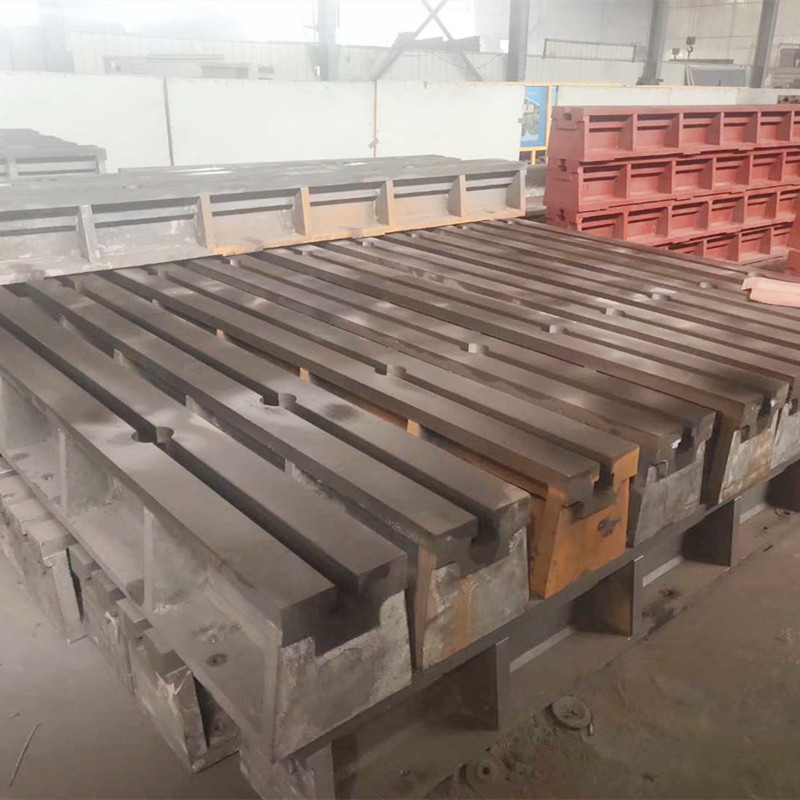
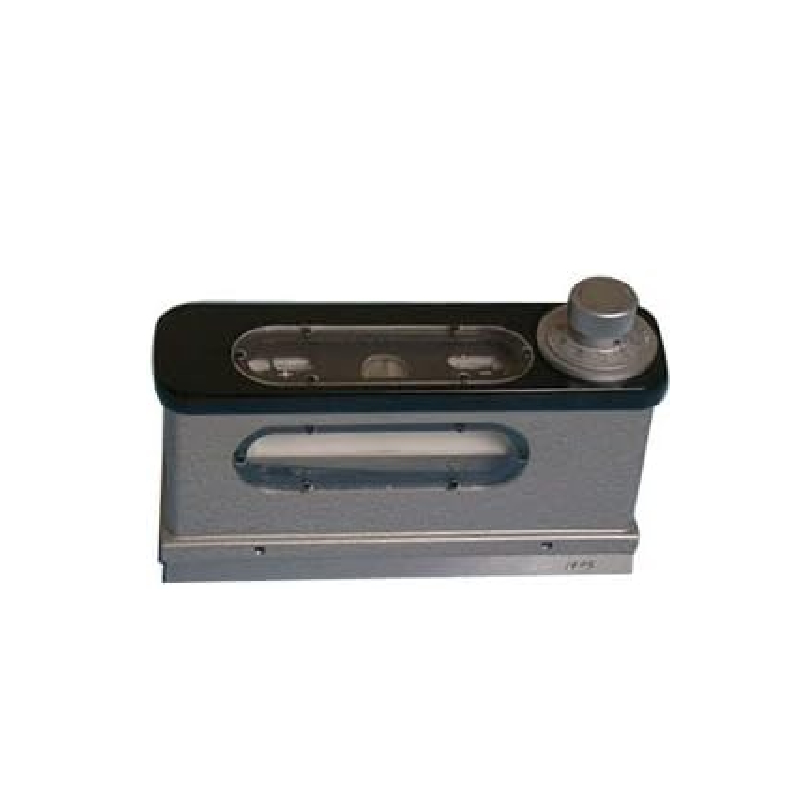
Understanding Precision Frame Level in Modern Manufacturing In today's fast-paced manufacturing environment, the need for precision and accuracy cannot be overstated. Among various metrics used to evaluate the effectiveness and quality of manufacturing processes, the concept of precision frame level has emerged as a critical focus. This term, while specialized, encapsulates essential principles that transcend individual manufacturing technologies, impacting broader operational strategies. Precision frame level refers to the accuracy with which a manufacturing system can produce frames—structural elements foundational to a broad range of products, from automotive components to electronic enclosures. Achieving high precision in frame production is vital for ensuring that subsequent assembly processes operate smoothly and that the final products meet stringent performance and safety standards. Manufacturers employ various techniques and strategies to enhance precision frame level. One of the most significant advancements in this domain has been the integration of computer numerical control (CNC) technology . CNC machines allow for the automation of cutting, milling, and drilling processes with remarkable precision. These machines minimize human error, increase repeatability, and are capable of producing intricate designs that would be impossible to achieve manually. precision frame level Additionally, the adoption of precision measurement tools is paramount. Tools such as laser scanners and coordinate measuring machines (CMM) provide manufacturers with real-time feedback on the dimensions and tolerances of frames. This immediate data enables quick adjustments in the production process, reducing the likelihood of defects and ensuring that every frame produced adheres to defined specifications. Beyond machinery and measurement techniques, the importance of skilled labor cannot be overlooked. Workers who are well-trained in precision manufacturing processes play a crucial role in maintaining high precision frame levels. Their expertise not only allows for the accurate operation of sophisticated machinery but also aids in troubleshooting and optimizing the production process. Moreover, the precision frame level is closely tied to material selection. The use of high-quality materials can significantly enhance durability and overall performance. For instance, in the aerospace industry, using lightweight yet strong materials like titanium or advanced composites can improve both fuel efficiency and safety. This emphasizes the need for a holistic approach in manufacturing, where the choice of materials, production techniques, and workforce capabilities are all aligned towards achieving high precision levels. In conclusion, the concept of precision frame level is fundamental in modern manufacturing. It embodies the intricate balance between technology, skilled labor, and material quality. As industries continue to strive for greater efficiency and product quality, understanding and implementing strategies related to precision frame level will become increasingly important. Manufacturers who prioritize this aspect are not only better positioned to meet customer expectations but are also more resilient in the face of evolving market demands and challenges. Emphasizing precision is not merely a goal; it is a pathway to excellence in manufacturing.
about
tempered glass window price
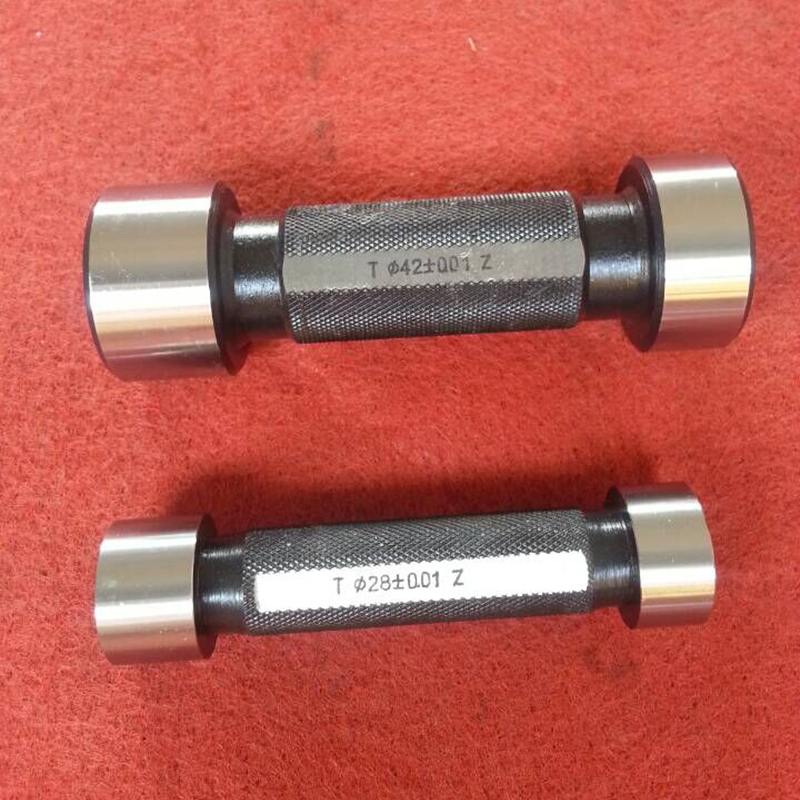
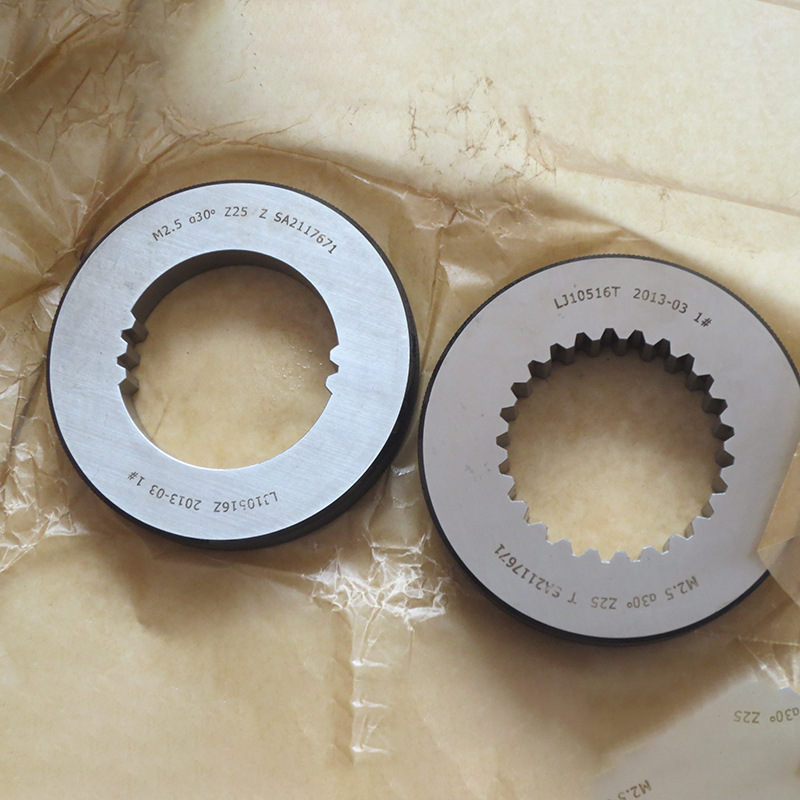
Understanding Taper Plug Gauges A Precision Tool for Quality Control In the realm of manufacturing and quality assurance, the importance of precise measurements cannot be overstated. One tool that has managed to hold its ground in ensuring dimensional accuracy is the taper plug gauge. This specialized gauge is designed to assess the internal diameters of holes and other geometrical features with a level of precision that plays a critical role in the production of parts and components across various industries. What is a Taper Plug Gauge? A taper plug gauge is a type of gauge used to check the size and form of a tapered hole. It comprises a cylindrical shaft that is slightly tapered along its length. The tapering allows the gauge to assess not only the hole diameter but also its tapering angle. This makes the taper plug gauge essential for applications where tapered fittings are used, such as in hydraulic systems, automotive components, and aerospace parts. Design and Structure The design of a taper plug gauge typically features two main sections the tapered portion and the handle. The tapered section is precision-engineered to allow for a snug fit when inserted into a corresponding tapered hole. The difference in diameter at the larger and smaller ends of the taper provides an effective means to gauge the size and conformance of the hole. Most taper plug gauges are made from high-quality materials such as tool steel and are frequently coated to enhance durability and resistance to wear. Surface finishes are also a critical consideration as they can affect the gauge’s ability to measure accurately . Calibration and Standards taper plug gauge To ensure that taper plug gauges provide reliable measurements, they must be properly calibrated. Calibration involves adjusting the gauge by comparing it to a standard reference. This process is vital because even minor deviations can lead to significant errors in the production process. Many industries follow strict standards set by organizations such as the International Organization for Standardization (ISO) and the American National Standards Institute (ANSI), which dictate specifications for gauging tools. Applications in Various Industries Taper plug gauges find applications in a multitude of industries. In the automotive sector, they are frequently used to check the fit of components like valves and shafts. Ensuring that these parts fit together correctly is vital for the safety and performance of the vehicle. In aerospace manufacturing, precision is paramount. Taper plug gauges are employed to verify the integrity of fittings and other crucial components to ensure that they can withstand the extreme conditions experienced during flight. The tool is also utilized in the production of medical devices, where dimensional accuracy can literally be a matter of life and death. Ensuring that parts fit together correctly affects not only the functionality of devices but also patient safety. Conclusion In conclusion, the taper plug gauge serves as an indispensable tool in the manufacturing landscape, providing a reliable means to ensure that internal diameters of tapered holes meet the required specifications. Its design, coupled with the attention to calibration and standards, makes it a vital instrument in maintaining quality control across various industries. As manufacturing processes continue to evolve and demand higher precision, tools like the taper plug gauge will remain critical in connecting the intricate links between design intent and practical execution.
-

High quality industrial productsagement

High quality industrial products
View Details -

Meet the diverse needs of customers

Meet the diverse needs of customers
View Details -

Strict quality control

Strict quality control
View Details -

Top raw materials

Top raw materials
View Details -

Trusted supplier

Trusted supplier
View Details
Our application

news and information
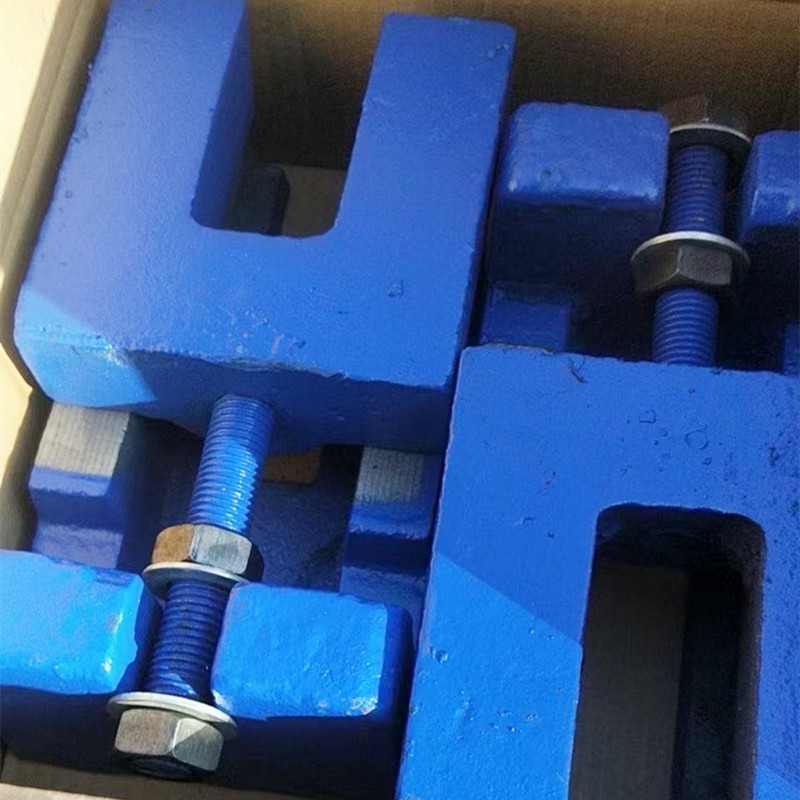
Versatile Clamps for Efficient Fabrication Table Solutions and Secure Workholding
fabrication table clamps .
Wichtigkeit der Genauigkeit in der modernen Mess- und Regeltechnik
Der Einfluss von Gauge C auf die moderne Technologie In der heutigen digitalen Welt spielen Präzisio
Water Control Valve for Efficient Shut-Off in Plumbing Systems
Understanding Water Shut Off Valves Importance and Functionality Water shut off valves are critical
 English